
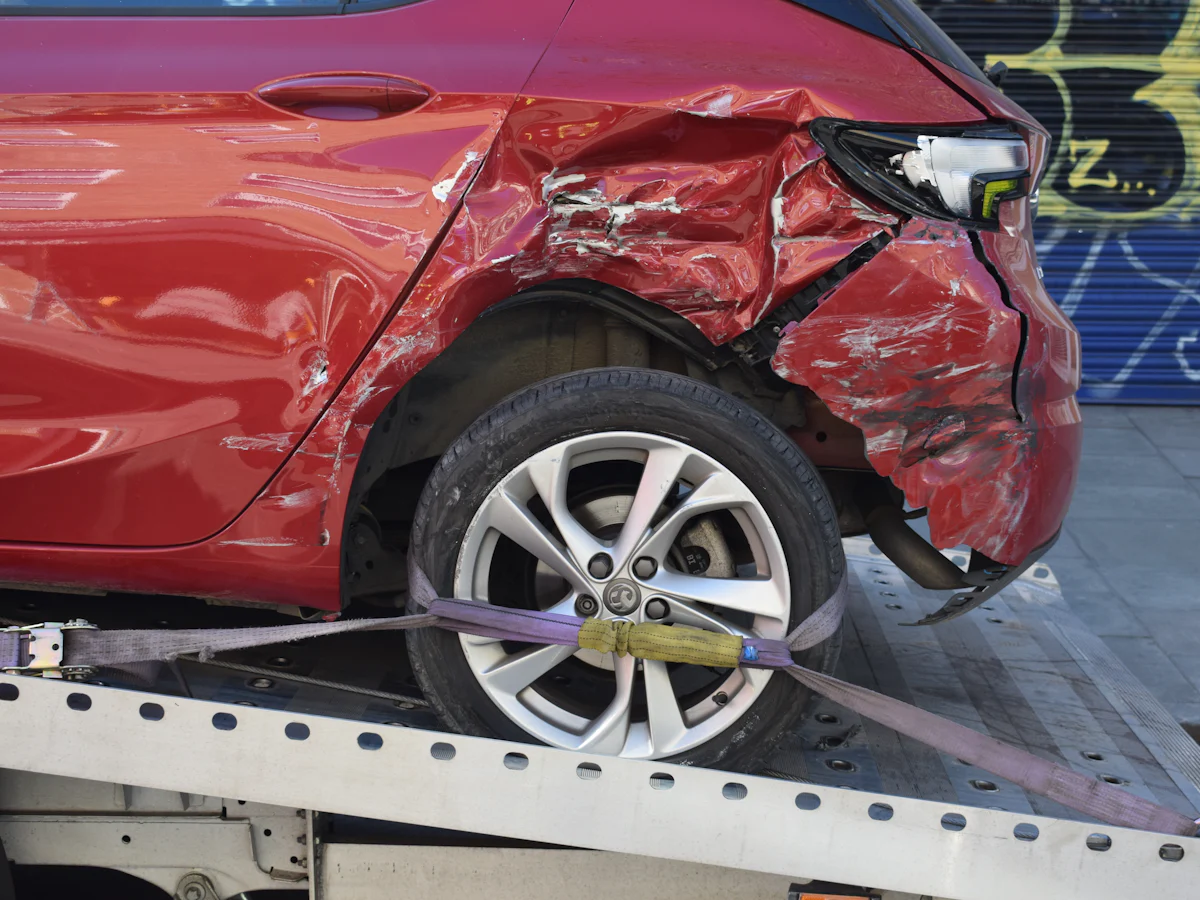
After a car crash in New York, two questions come up almost right away: who pays my medical bills and lost wages, and can I bring a claim against the driver who hit me? New York answers them with two different sets of rules. No-fault insurance covers your basic economic losses no matter who caused the crash. A claim for pain and suffering is allowed only if your injury meets the legal definition of a “serious injury.”
In May 2026, New York changed some of those rules as part of the state budget. This guide explains how no-fault works, the deadlines that trip people up, and what the 2026 changes mean if you were hurt.
What no-fault pays, and who pays it
New York’s no-fault system (Insurance Law Article 51) pays “basic economic loss” of up to $50,000 per person, regardless of fault. That covers:
- Medical and related expenses, such as doctor visits, hospital care, physical therapy and prescriptions.
- Lost earnings, up to $2,000 per month for up to three years from the accident. The law reduces lost-earnings benefits by a 20% offset.
- Other reasonable and necessary expenses, such as help around the house or travel to medical appointments, up to $25 per day for up to one year.
Which policy pays depends on where you were. Drivers and passengers generally claim through the insurer of the vehicle they were in. A pedestrian struck by a car generally claims through the insurer of the vehicle that hit them. If your losses go above $50,000, you may have additional coverage on your own policy, and you may also have a claim against the person responsible for the crash.
The no-fault deadlines are short
No-fault benefits come with strict time limits set by state regulation (11 NYCRR 65-1.1):
- 30 days from the accident to give the insurer written notice of your claim. In practice, this means completing and sending the no-fault application.
- 45 days from the date of treatment for medical bills to be submitted. Most providers bill the insurer directly, but you need to give them the claim information.
- 90 days from the time work is missed to submit proof of lost earnings.
A late claim can be accepted only if you give the insurer written proof of a clear and reasonable justification for the delay. Do not count on that. Treat 30 days as a hard deadline and start the paperwork in the first week.
Suing for pain and suffering: the “serious injury” threshold
No-fault does not pay for pain and suffering. To recover those damages from the at-fault driver, Insurance Law Section 5104 requires that you have a serious injury, as defined in Section 5102(d). The current definition covers an injury that results in:
- death;
- dismemberment;
- significant disfigurement;
- a fracture;
- loss of a fetus;
- permanent loss of use of a body organ, member, function or system;
- permanent consequential limitation of use of a body organ or member; or
- significant limitation of use of a body function or system.
What changed in 2026
The 2026 state budget (Chapter 58 of the Laws of 2026, signed May 26, 2026) made several changes to car accident cases. Based on the official bill text, they apply to lawsuits started on or after the date the law took effect.
- The “90/180-day” category is gone. The old definition also covered a non-permanent injury that kept you from doing substantially all of your usual daily activities for 90 of the first 180 days after the accident. That category was removed. A claim for pain and suffering now has to fit one of the categories listed above, so medical proof of a fracture, a permanent limitation or a significant limitation matters more than ever.
- A new fault bar. Under CPLR 1411(b), in an injury case covered by the no-fault law, you cannot recover if your share of the blame is greater than the share of the person you are suing, or greater than the combined share of everyone you are suing. If your share is equal or smaller, your recovery is reduced by your percentage of fault.
- A $100,000 cap for certain drivers. Under Section 5104(d), an injured person who was at fault can recover no more than $100,000 for pain and suffering if they were driving an uninsured vehicle they were responsible for insuring (a lapse of less than 30 days does not count), or were convicted of driving while impaired or of a felony connected to the crash. The cap does not apply to cases involving a death.
The time limit to file a lawsuit
Most personal injury lawsuits in New York must be filed within three years (CPLR 214). Claims against a city, county or other public body have much shorter notice requirements, so if a government vehicle, bus or road condition was involved, get advice right away.
What to do in the first few weeks
- Get medical care and tell every provider how the accident happened. Follow up on referrals and imaging. Gaps in treatment are often used to argue that an injury is not serious.
- Send the no-fault application within 30 days. Keep a copy and proof of when you sent it.
- Give your providers the claim number so they can bill no-fault on time.
- Document missed work with a letter from your employer and pay records.
- Keep the police report number, photos, witness names and repair estimates.
- Be careful with the other driver’s insurer. You do not have to give a recorded statement before getting advice.
How Zare Khorozian Law can help
Zare Khorozian is licensed in New York and New Jersey and has been practicing since 2017. Our firm helps people hurt in car, truck, motorcycle and pedestrian accidents throughout the five boroughs of New York City and the Lower Hudson Valley (Rockland, Orange and Westchester), as well as all 21 New Jersey counties. We help file no-fault claims on time, gather the medical proof the serious injury rules require, and deal with the insurance companies for you.
Injury cases are handled on a contingency fee basis: you pay no attorney’s fee unless we win. Case costs are separate and are explained in the written fee agreement.
For a free consultation, call or text 201-409-1889 or contact the office. Se habla español. Learn more about the personal injury cases we handle.